

A year and a half ago, I tried to launch my own cybersecurity company. I know it sounds crazy, but I wanted to ride the wave of a booming sector. I wasn’t trying to compete with the big companies and their products. It was built for all the small and mid-sized businesses getting hit by huge waves of AI-driven attacks, without the money to protect themselves.
To pull it off, I studied the sector inside out and got the certifications and licenses I needed to work in it. This article pulls together everything I learned, and which companies I’m watching to buy, because they’re undisputed leaders with a real competitive edge. Let’s take a look.
The future of cybersecurity
Probably one of the most promising sectors over the next few years. Why? For three main reasons, ones I saw with my own eyes every single day:
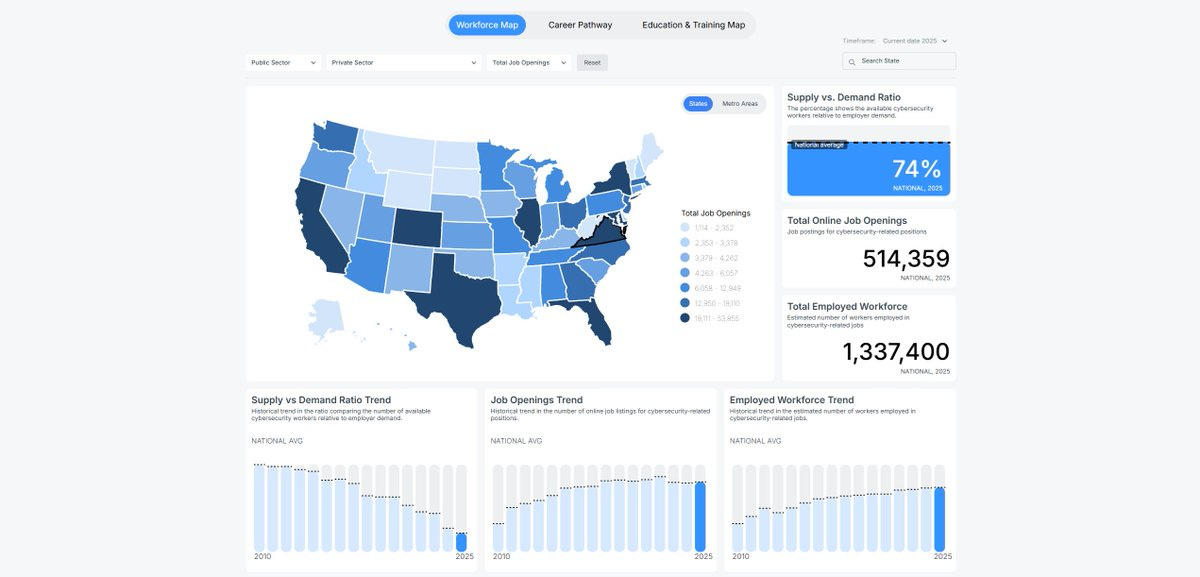
The cybersecurity job market has a problem. Only 74% of open positions get filled. And it’s not because people don’t want to work in it. The demand for qualified people is just insatiable, because the sector keeps growing, and it’s expected to grow at 9.1% a year through 2030, from $228 billion in 2025 to $352 billion.
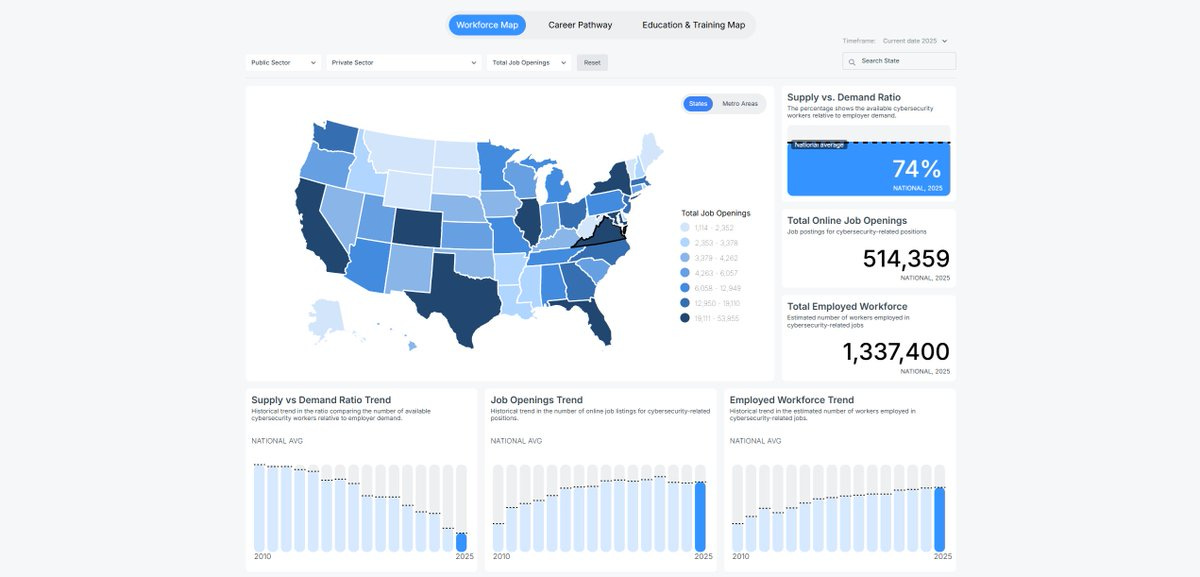
This means most of the talent that used to be in other sectors is actively moving into cybersecurity, creating an even bigger market of opportunities and future growth.
Artificial intelligence directly amplifies and powers this sector. And not only because of more sophisticated attacks, which seems like the obvious answer, but for the exact opposite reason. I learned that most attacks on companies don’t happen because of the code. They happen because of people.
A company’s weakest point is its workers. From burned-out people selling data to people falling for email or phone scams, the biggest attacks happen because humans fail.
Here’s an interesting fact I learned: last year, Jaguar Land Rover suffered the biggest attack in its history, costing the UK economy an estimated £1.9 billion (about $2.5 billion). The cause? Reportedly, a phishing attack that got an employee to hand over their credentials to the attackers, who were pretending to be IT support. From there they escalated privileges and kept the factories shut down for five weeks.

What I want you to understand is that cybersecurity doesn’t only have a future at the highest levels, solving the most complex problems. Over the next few years, we’re going to see a massive number of attacks aimed at small and mid-sized businesses, and at regular working people too, with things like AI identity theft, calls using the voice of a family member or someone you know, and other techniques that keep getting better and better.
We’re heading towards an increasingly digital world. The cloud, artificial intelligence, agentic AI, quantum computing that could break today’s encryption. Everything we’re moving towards gives cybersecurity a huge boost. The more digital the economy and the world become, the more money will have to go into this sector to keep that economy safe.
Now that we’ve seen the promising future this sector has ahead of it, let’s look at the best companies, with a short analysis of each one. If you want me to share the full fundamental and technical analysis of each one, let me know in the comments.
3. Cloudflare
For me, by far the most promising company in the sector. I put it third because the stock is a lot more volatile than the next two, and it’s not as established as the others. But in terms of long-term upside, it’s without a doubt the best.
Cloudflare runs one of the biggest networks in the world, with a presence in more than 330 cities. A huge chunk of the Internet passes through it before reaching the website or app it’s going to. On top of that network, it sells four businesses:

Application services (where it all started): making websites load faster (CDN) and protecting them from attacks (DDoS, firewalls, bot control).
Zero Trust / SASE (Cloudflare One): it replaces companies’ VPNs and office firewalls. This is where it competes with Zscaler and Palo Alto.
Developer platform (Workers): lets you run code, store data and use AI models directly on its network. It’s their bet to become a full cloud. In the second quarter almost 2 million developers signed up, more than in all of 2025 (1.5 million).
AI and the “Internet of agents”: it controls which AI bots can read each website and charges them for it. It started by charging for every read (Pay Per Crawl). Now it’s replacing that with Pay Per Use, which pays the publisher when its content is used in an AI answer.
As you can see, a company perfectly positioned for the future. Now let’s get into the numbers.
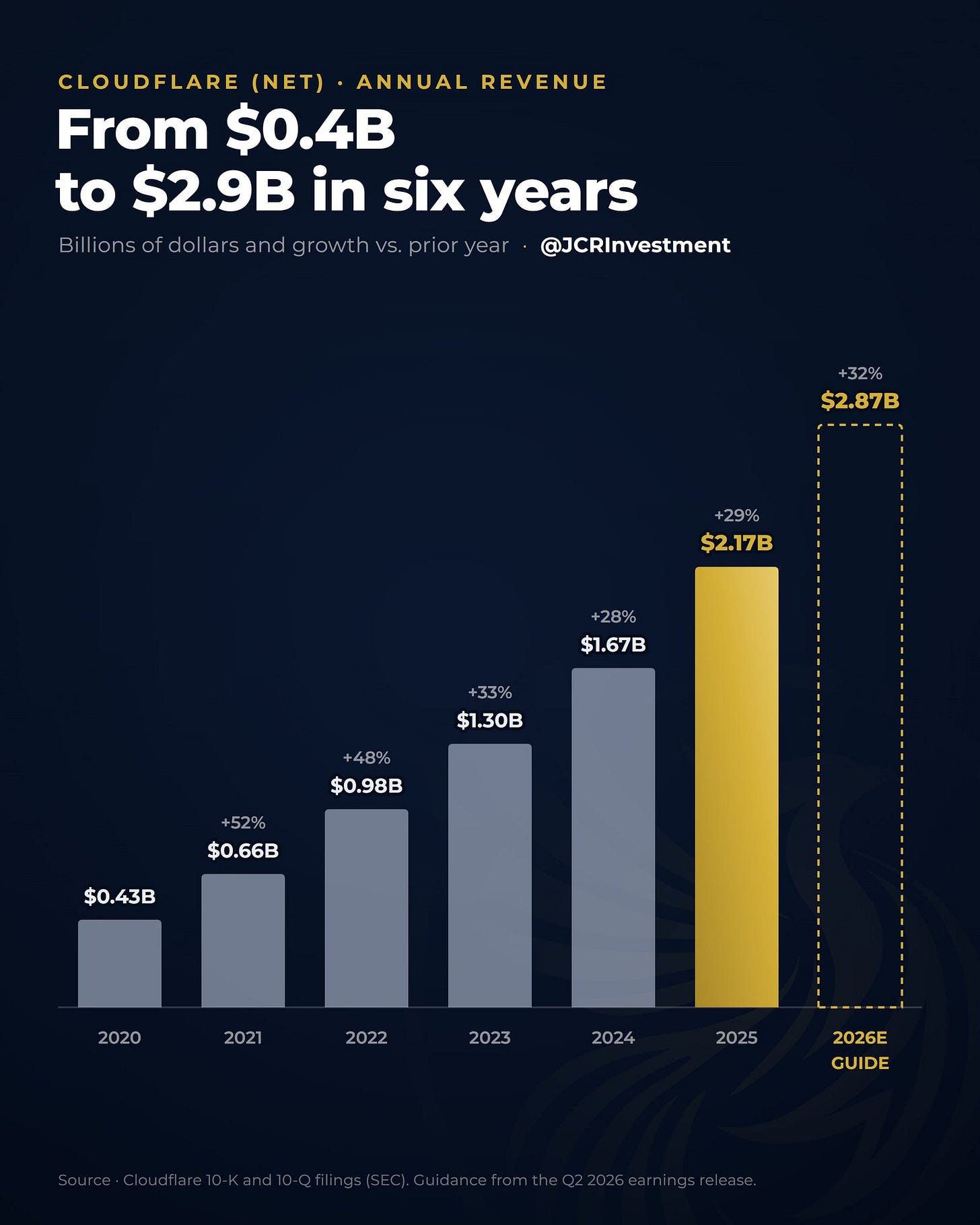
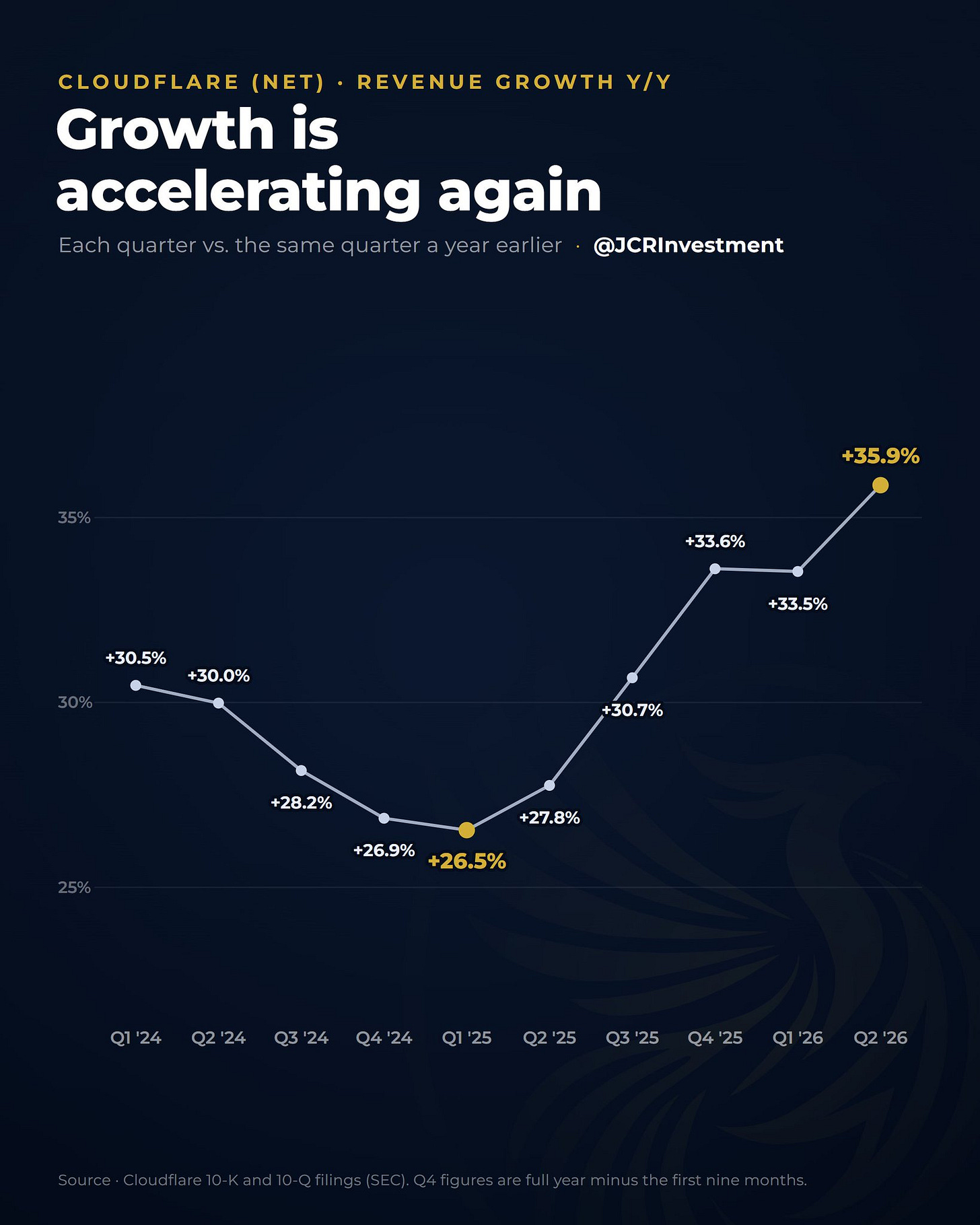
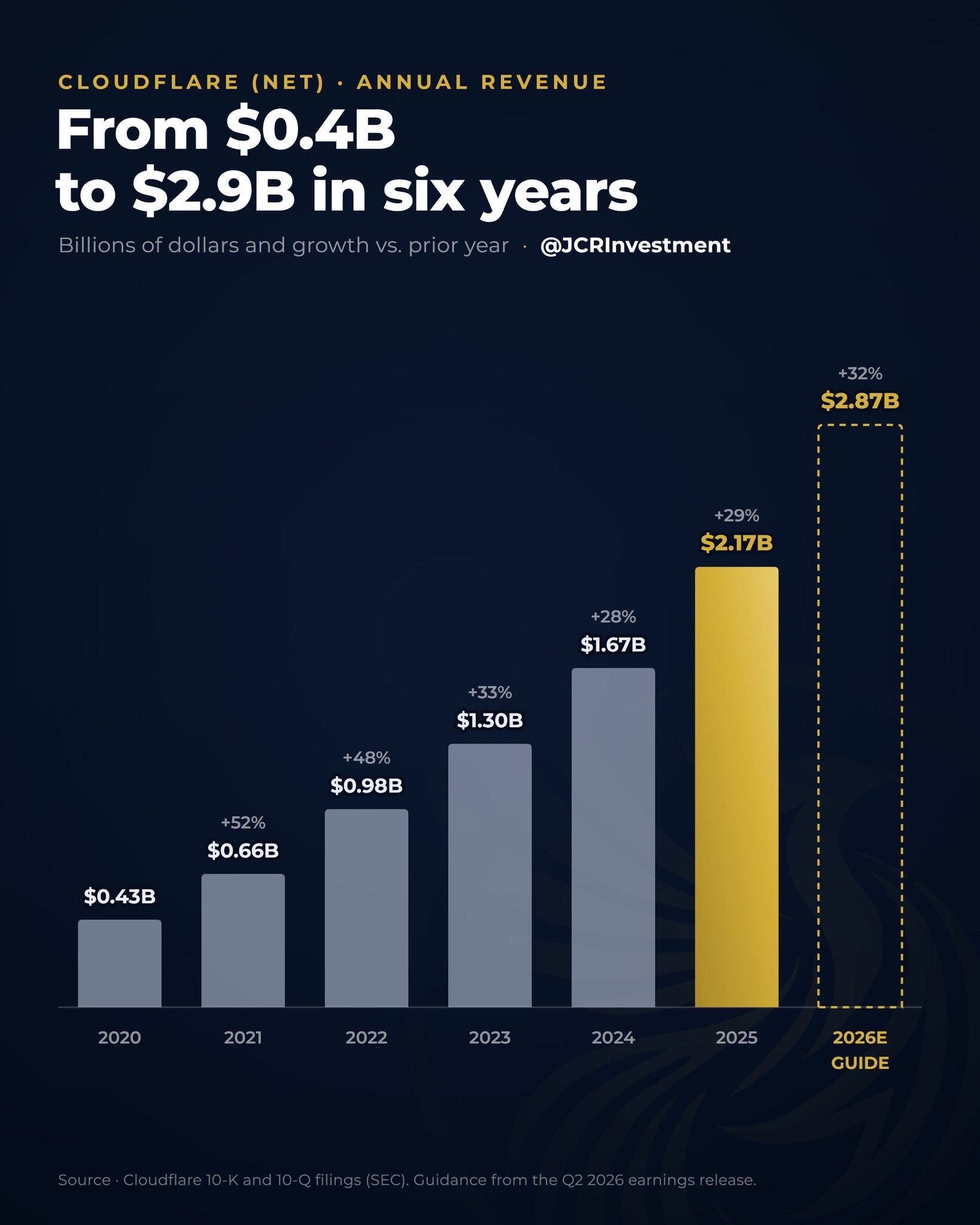
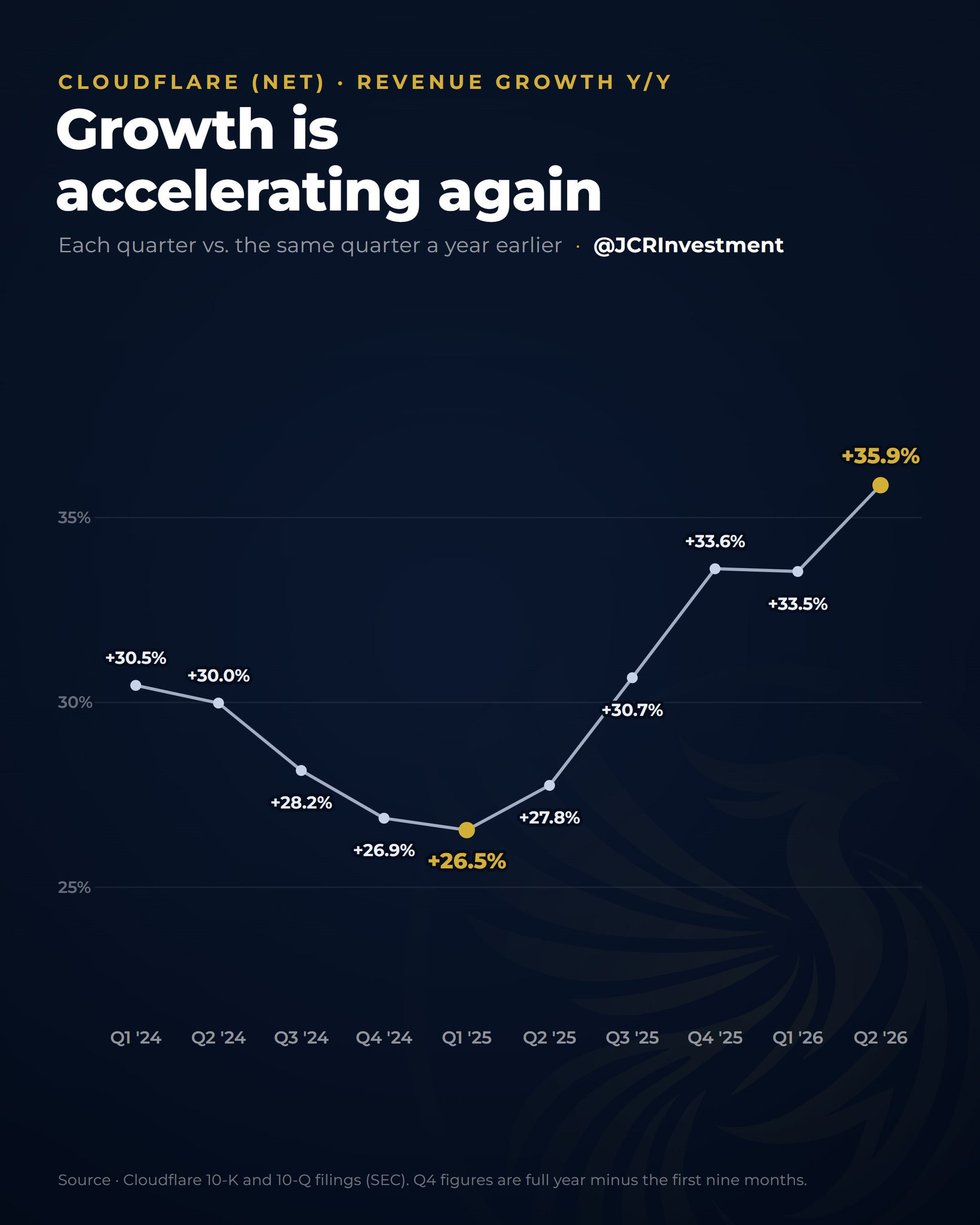
It’s a high-growth company that, so far, hasn’t let the market down. Its biggest problems come down to two things. One, the market has already priced in a lot of future growth. Two, something that’s a problem but also our solution: volatility.
Over the years, Cloudflare has gone through drops of up to 82%, only to recover and deliver extraordinary returns. Taking advantage of that volatility, this is the price I’m watching.
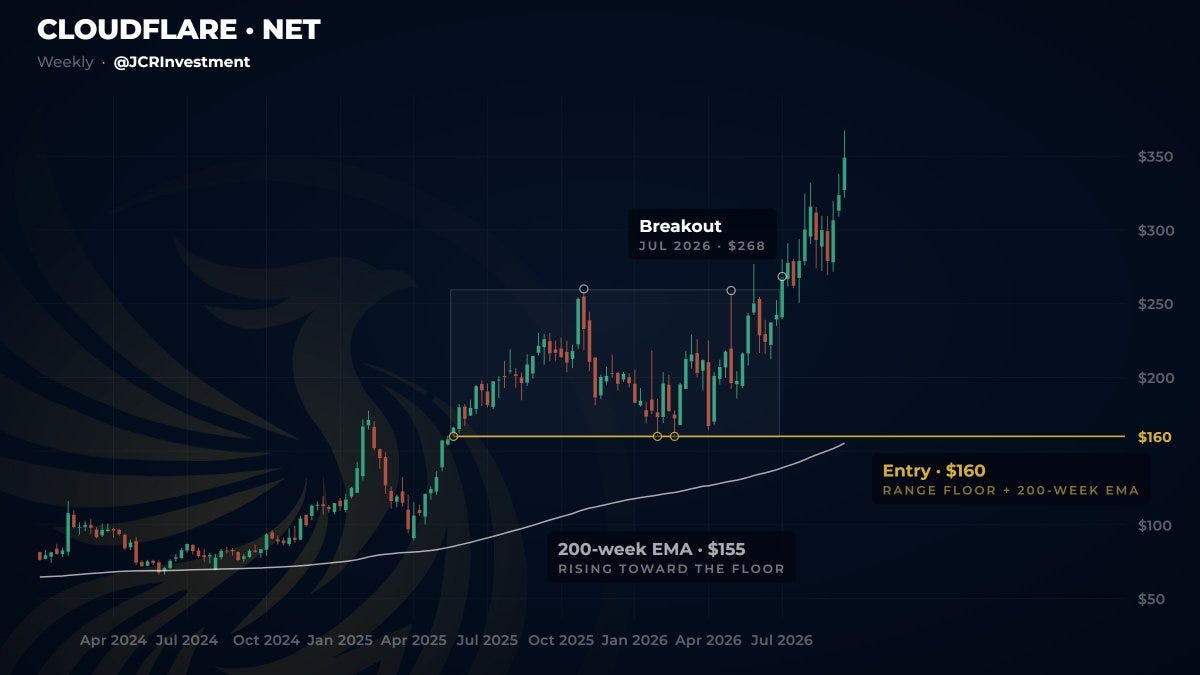
$160, that’s my entry. I know it looks like a long way down from where it is now, but it’s nothing compared to other drops it’s had. Obviously, a drop like this won’t happen on its own. As you’ll see in some of my other articles, cracks are starting to show all across the US tech sector, so if that correction does come, that’s the price I’m watching to get in.
2. CrowdStrike
This company sits somewhere in the middle between Cloudflare’s explosive growth and our number 1. It’s one of the most important companies in the cybersecurity sector and, without a doubt, the market has already noticed.
It’s the leading endpoint security platform, meaning it protects laptops and servers. From there, it sells modules to protect the cloud and user identities, a SIEM to centralize the security logs of the whole company, and managed services. Everything runs on a single agent, Falcon.
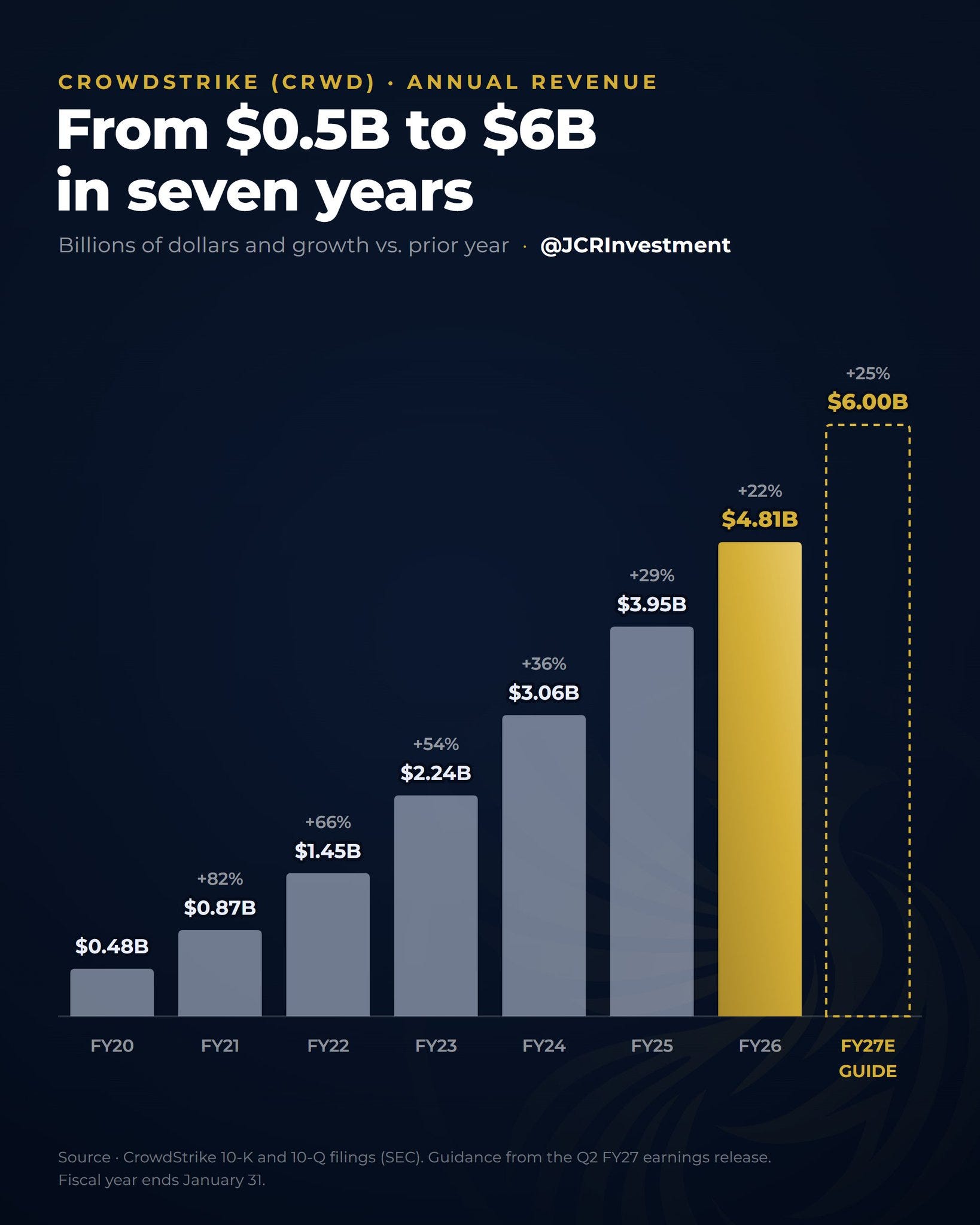
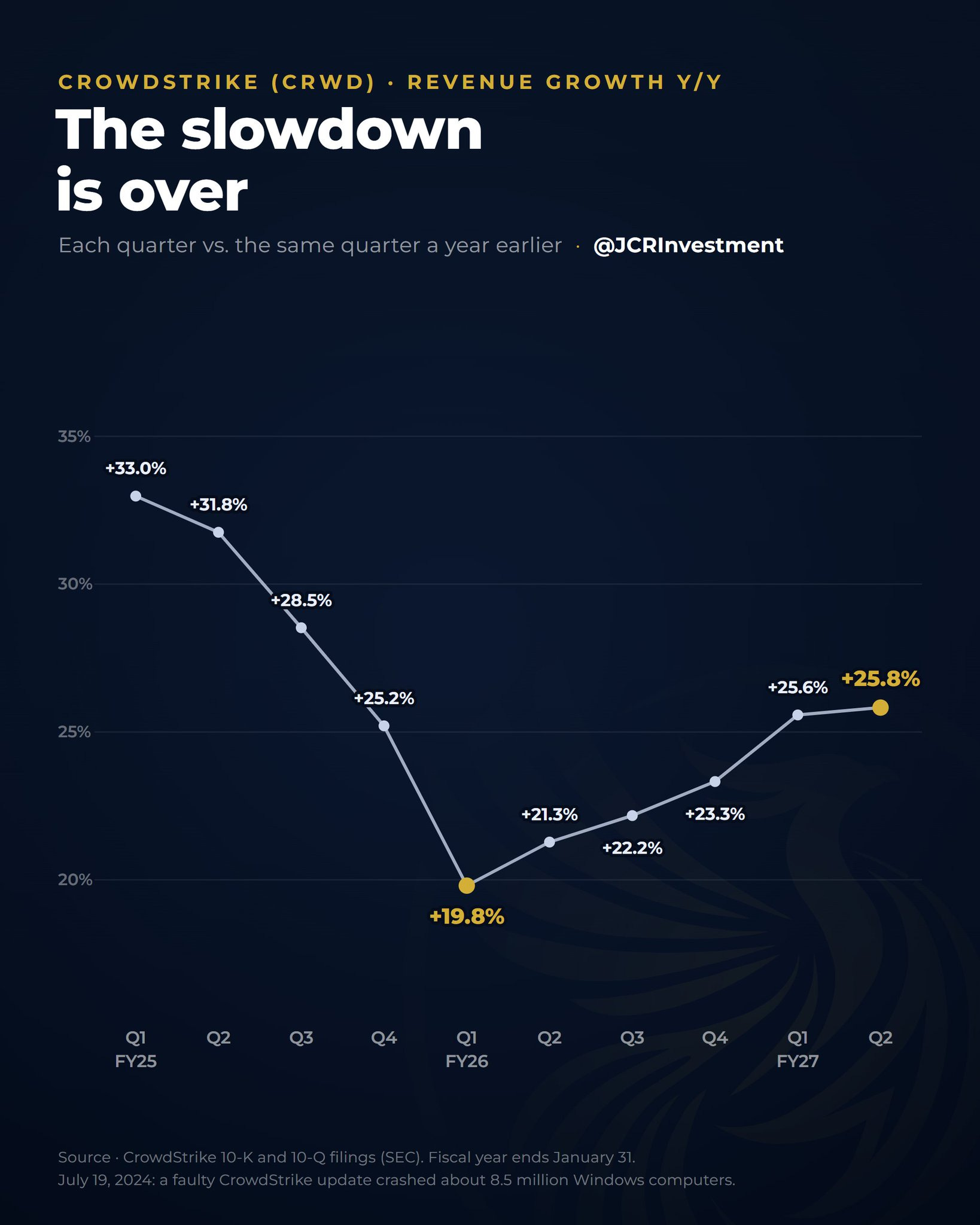
The business is more mature and more profitable than Cloudflare's, it generates real cash and it's accelerating again. But after doubling in a year, the stock trades at almost the same multiples. What you need to watch is whether net new ARR keeps growing above 30%. This would be my buy price.
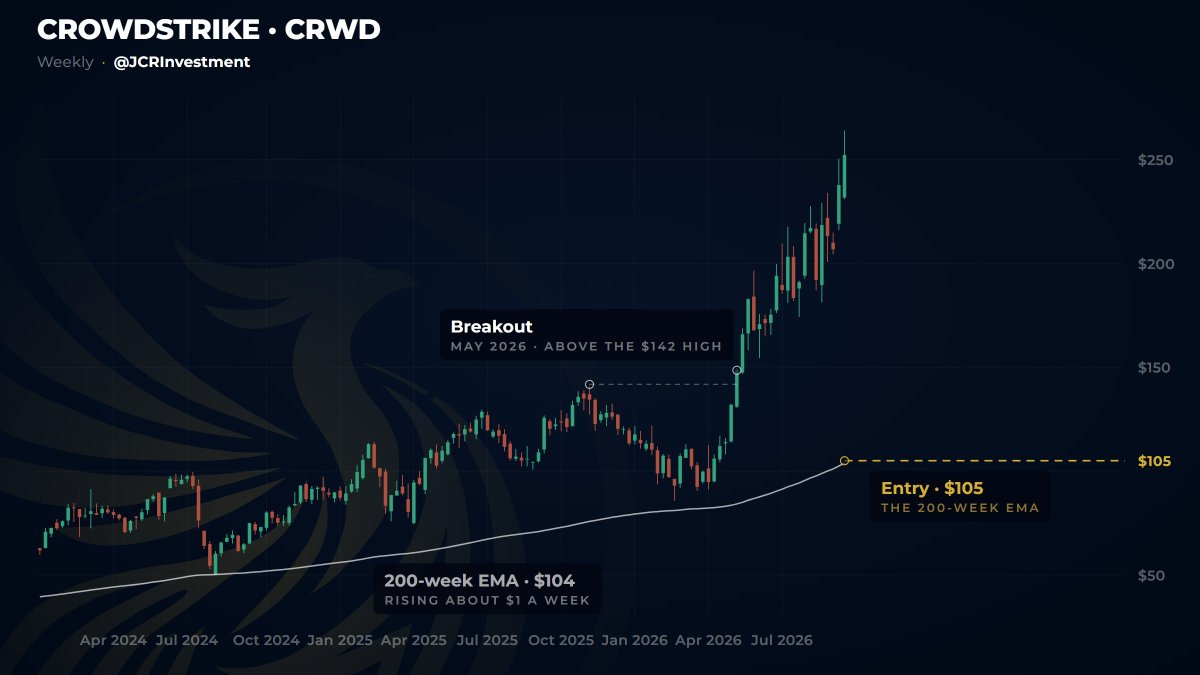
Since there’s no clear structure on the chart, the safest and most tested approach over my 11 years of investing is to buy at the weekly moving average. As long as the fundamentals keep saying it’s a quality company, of course.
1. Palo Alto Networks
By far the most established company and the leader of the sector. Over the years it’s delivered lower returns than the other two, but in exchange it offers huge stability and quality.
It’s the biggest “platform” cybersecurity company. It sells firewalls and network security, Cortex (an AI-driven security operations center and cloud security) and now Idira, the identity security that comes from CyberArk. Its strategy is for customers to buy everything from a single vendor.
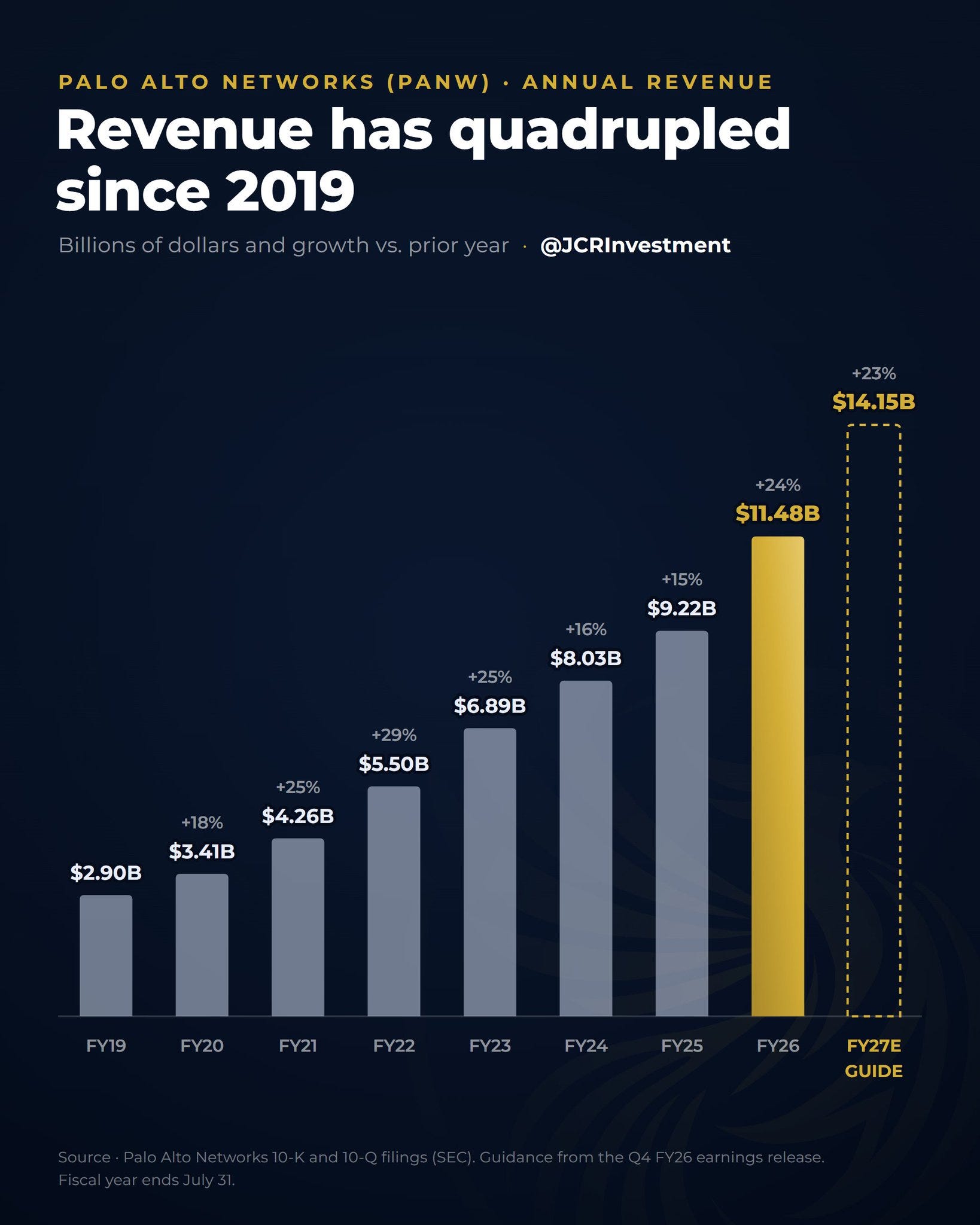
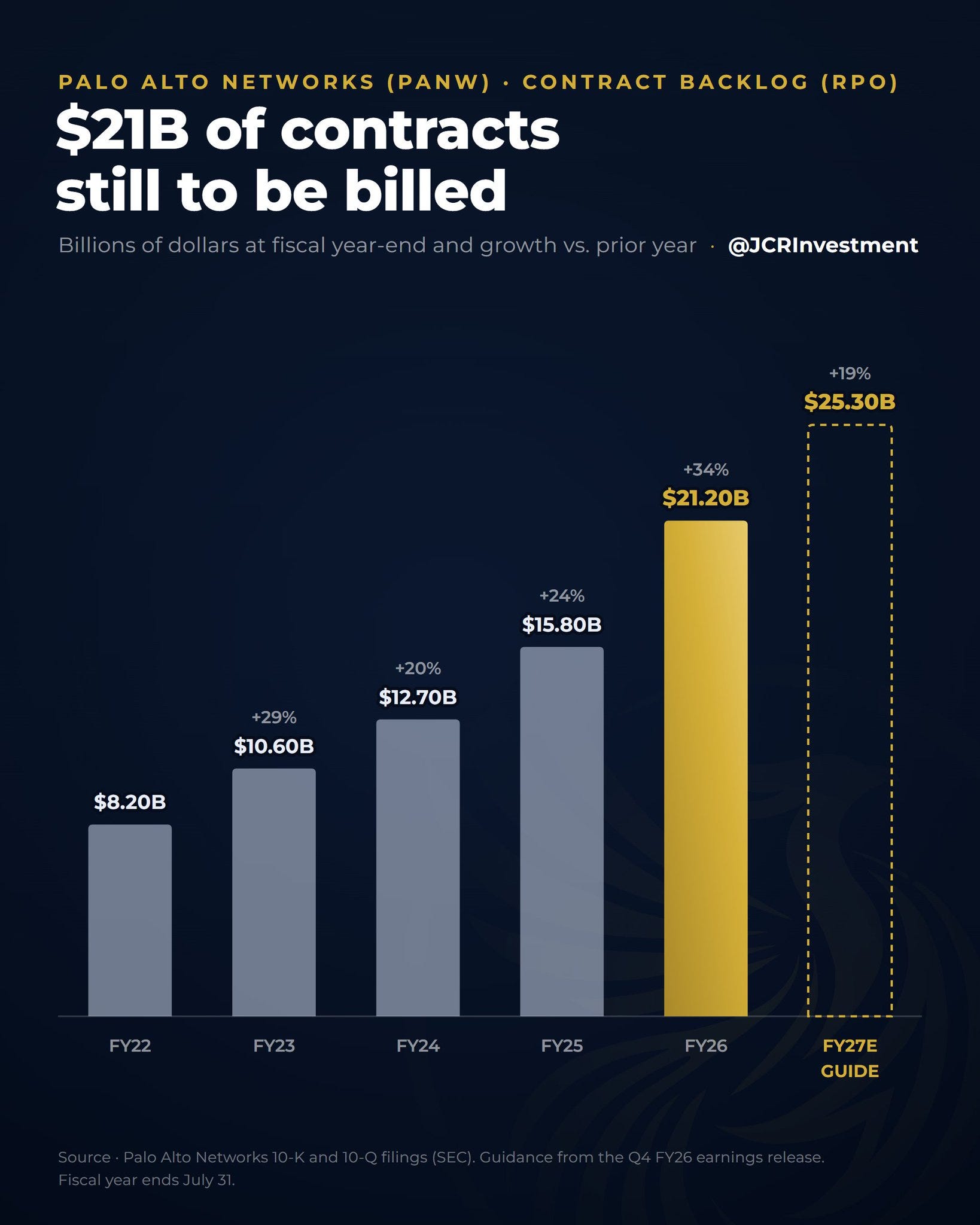
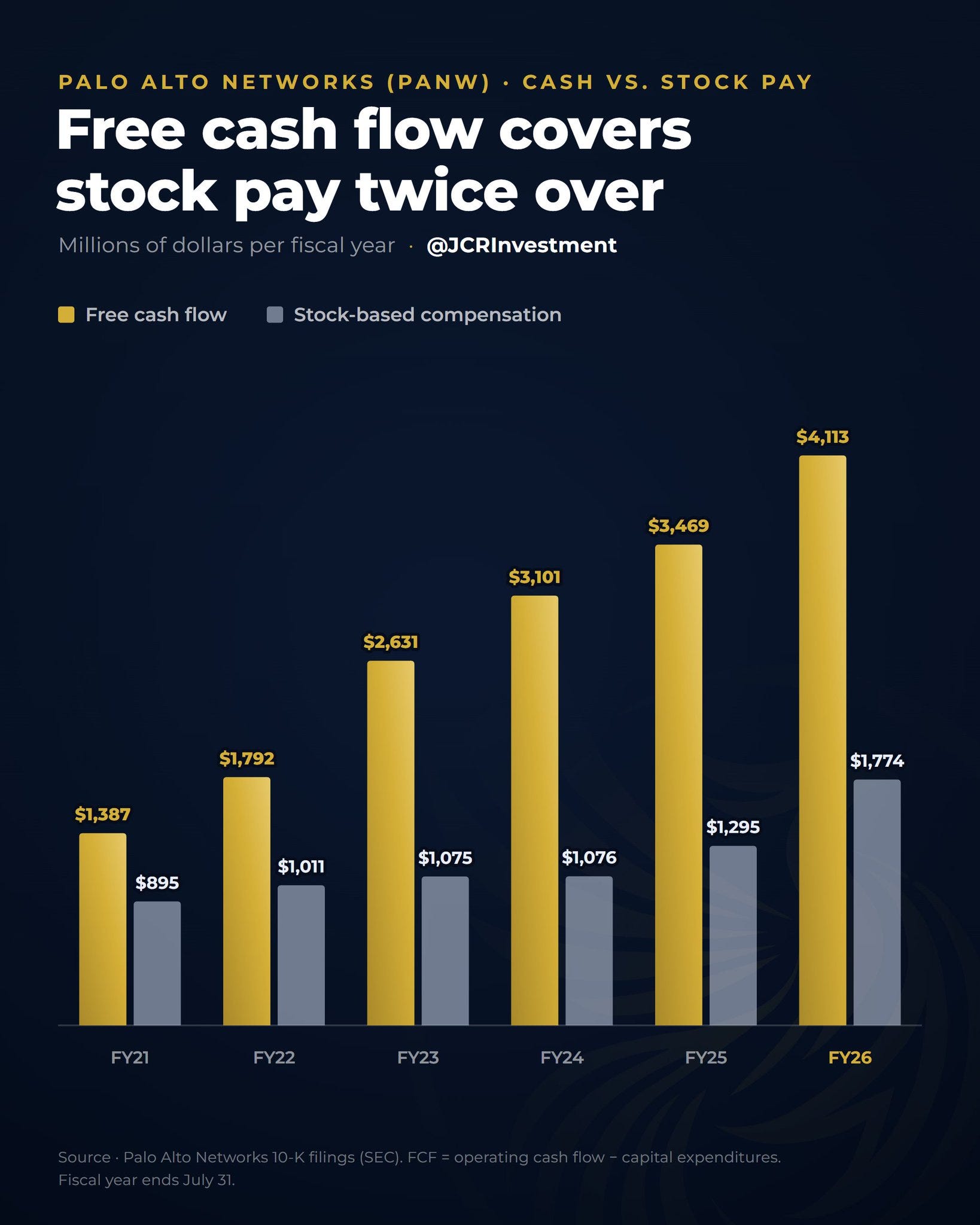
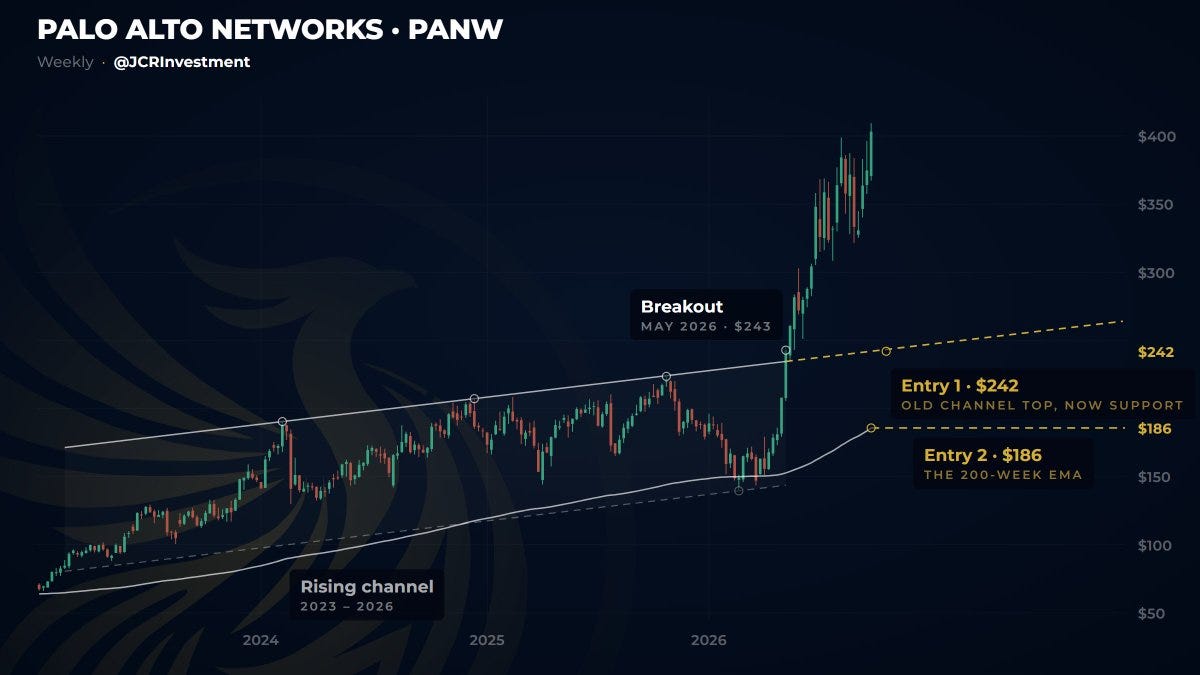
The market has also priced in a lot of growth for this stock, so these would be my two entry points. The first one is the resistance of a rising channel going back to 2020, which has now turned into support. The second one is its 200-week moving average.
Again, for the price to get there, we'd need a correction, and in this case, the sector leader is already showing the same signal that's appearing in companies like Google, Nvidia or Broadcom.
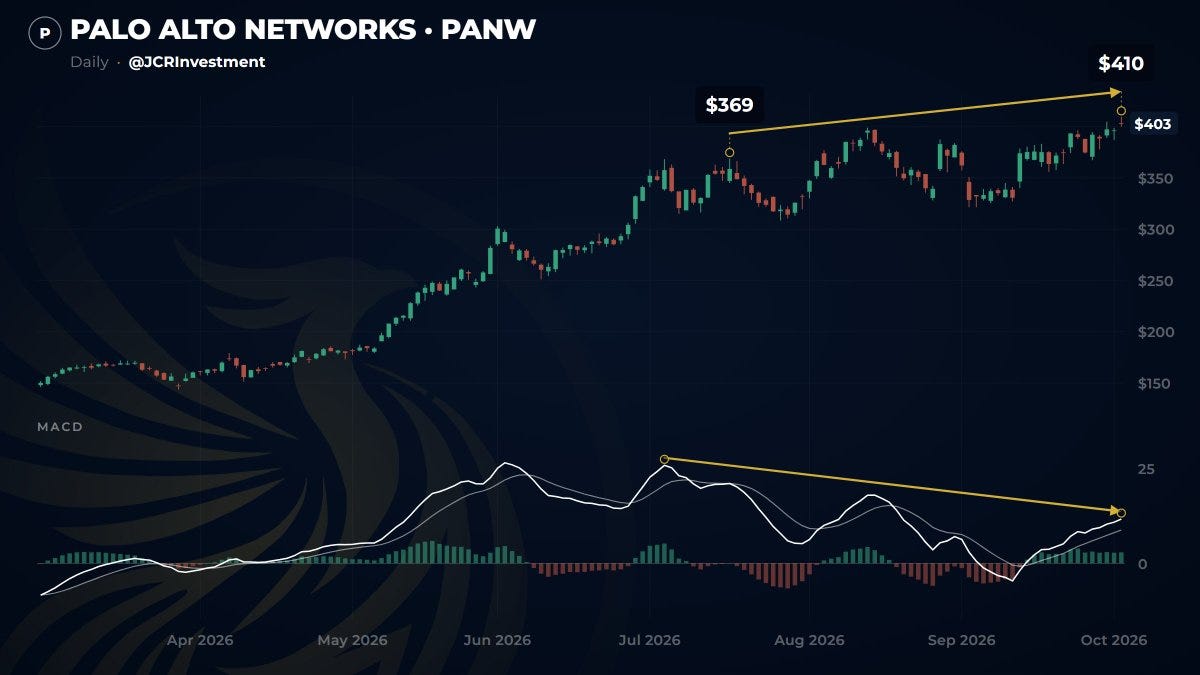
The run-up it’s had over the last few months is coming to an end, and that’s where the opportunity I’m waiting for to get in will come from.
As you’ve seen, cybersecurity is a booming niche for the years ahead, and it has three great quality companies to capture all the money that’s going to flow into the sector, which is expected to reach around $352 billion a year by 2030.
I hope you enjoyed this article and found it useful. Over the next few days I’ll be posting more analysis of the companies I’m watching to buy, so follow me to get them and not miss any.
And if you want a more detailed analysis of any of them, or you’d like us to look at another company you have in mind, let me know in the comments. I read every one.
Cheers, fellow investor,
J.C. Rodríguez